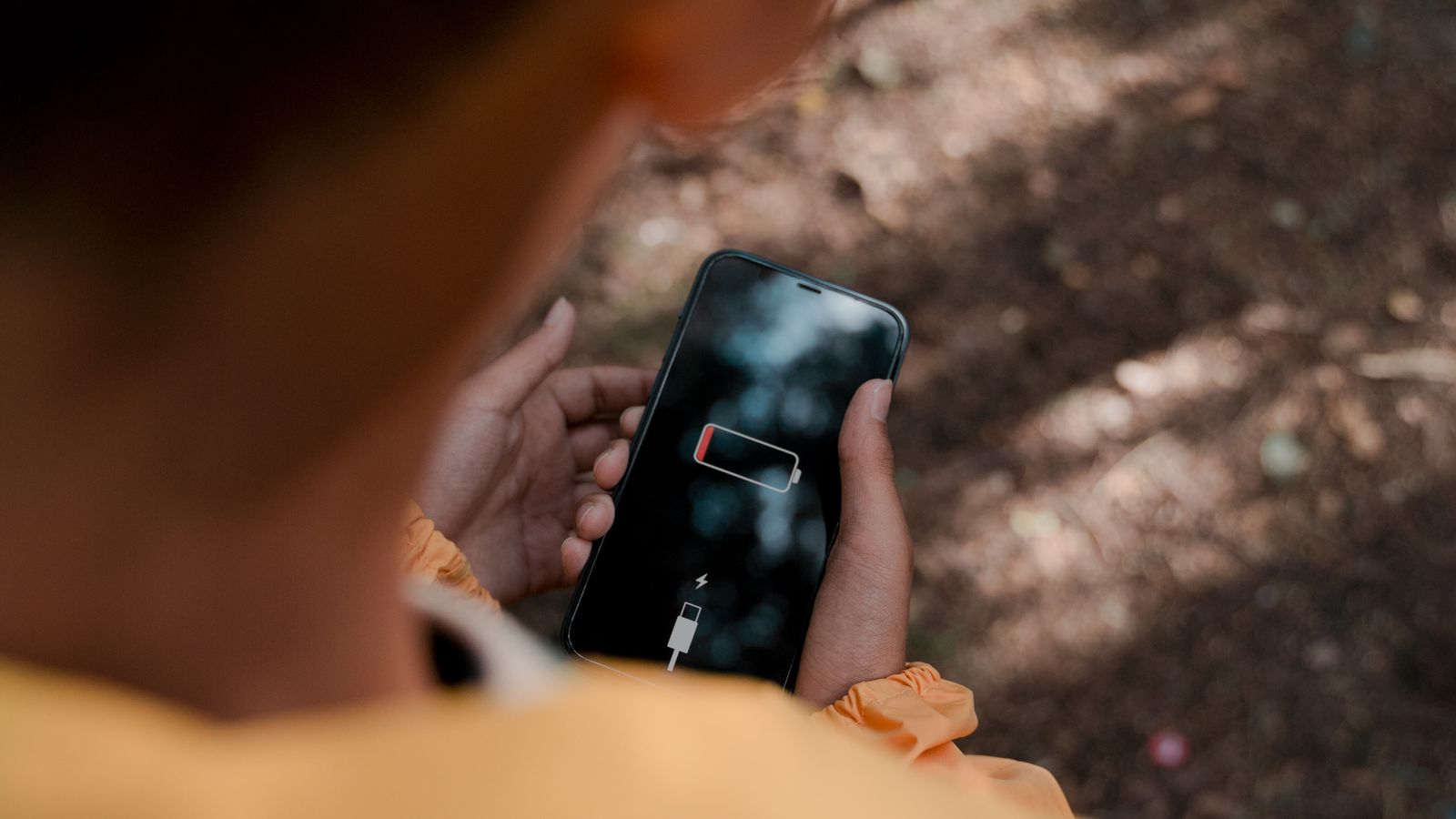
Most digital detoxes start the same way: a burst of motivation, a promise to go screen-free for a week, and a plan that falls apart by Wednesday. The problem usually isn't willpower, it's that the plan was never realistic in the first place. A digital detox that actually sticks looks less like a dramatic break from technology and more like a deliberate redesign of when and how you use it.
Why the "quit cold turkey for a week" approach usually fails
Total abstinence sounds appealing because it's simple, but for most people it's simple in theory and nearly impossible in practice. Your phone is tied to work communication, navigation, banking, and staying in touch with people you actually want to hear from. Trying to cut all of that off at once creates so much friction in daily life that the detox collapses under its own weight within a few days, often leaving you feeling like you failed rather than recognizing the plan itself was the problem.
Start with a diagnosis, not a ban
Before deciding what to cut, spend two or three days simply noticing your own patterns. Which apps do you open without thinking? What time of day does mindless use spike? Is it boredom, stress, or habit driving the reach for your phone? A detox aimed at your actual patterns, rather than technology in general, is far more sustainable because it removes exactly what's causing the problem instead of everything at once.
Design a detox around windows, not an all-or-nothing rule
- Pick two or three specific windows to protect. Common ones are the first 30 minutes after waking up, the hour before bed, and one work block during the day. These tend to be where mindless use does the most damage to sleep and focus.
- Choose which apps actually need to go during those windows. You don't need to detox from your phone entirely, just from the two or three apps responsible for most of your compulsive use.
- Set a duration you can realistically sustain. A weekend, not a month. A short detox you complete builds more confidence than a long one you abandon on day four.
- Replace the removed habit with something specific. "Don't scroll before bed" is vague. "Read for 15 minutes before bed" gives the same time slot a new, concrete purpose.
- Use blocking rather than memory to enforce it. Relying on remembering not to open an app during your protected windows is fragile. A scheduled block that locks the app automatically removes the need to rely on willpower at all.
What actually happens during the first few days
Expect restlessness, especially during your protected windows. The urge to check a blocked app doesn't vanish just because you've decided to detox, it tends to spike in the first two or three days before it starts to fade. This is normal and worth expecting in advance, because people who don't anticipate it often mistake the discomfort for proof the detox isn't working, when it's actually a sign the habit loop is being interrupted the way it's supposed to be.
Making it last beyond the first attempt
- Review what worked at the end of each detox period. Which windows were easy to protect, and which ones did you keep breaking? That tells you where to focus next.
- Extend gradually rather than jumping to an aggressive version. If a weekend detox goes well, try a full week before attempting anything longer.
- Keep the friction in place after the detox ends. The point isn't to detox once and go back to old patterns, it's to use the detox to discover which restrictions you actually want to keep long-term.
- Don't aim for zero screen time. A detox that treats all technology as the enemy is harder to sustain than one that targets specific compulsive patterns while leaving useful, intentional use alone.
The real goal
A digital detox that sticks isn't about proving you can survive without your phone for a set number of days. It's a diagnostic tool, a way to find out which apps and habits are actually running your attention without your consent, and a chance to rebuild your relationship with your phone around windows and rules you choose deliberately, rather than defaults that were chosen for you.