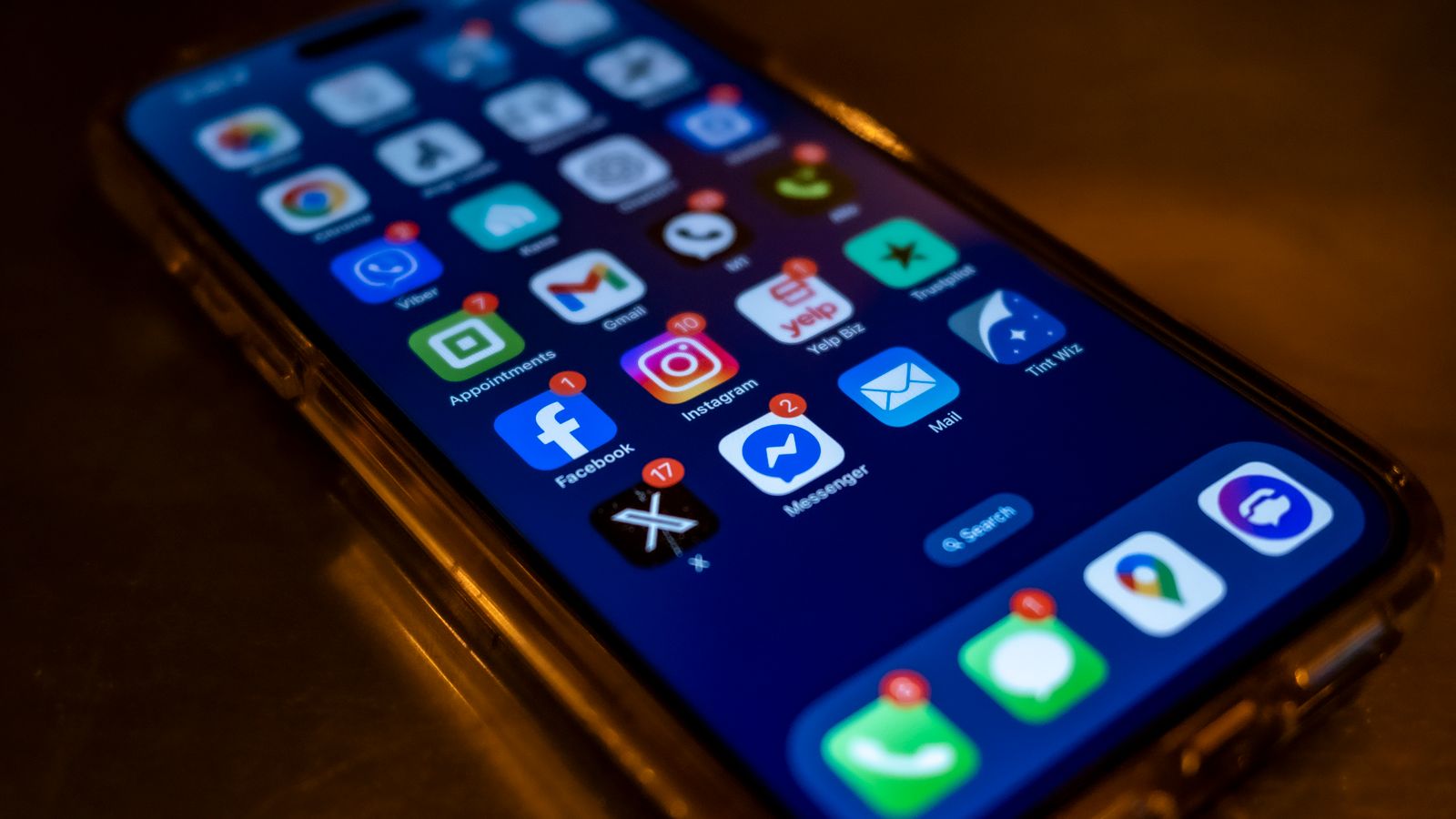
A notification arrives, and before you've made any real decision, your hand is already moving toward your phone. That's not a coincidence, and it's not a personal failing. Notifications are built to trigger exactly that response, and understanding how they do it is the first step to taking your attention back.
Notifications are designed to bypass your judgment
A notification isn't just information delivery, it's an interruption engineered for maximum pull. The sound, the vibration, the red badge, the preview text cut off right before the interesting part, none of that is accidental. Each element is tuned to create a small, urgent-feeling gap between what you know and what you want to know, and your brain is wired to close that gap immediately rather than later.
This is why notifications feel so hard to ignore even when you consciously know they don't matter. The interruption happens at a level below deliberate thought. By the time you've "decided" to check it, the decision was really made for you the moment the badge appeared.
The real cost isn't the seconds, it's the aftermath
People underestimate notifications because checking one seems to take five or ten seconds. The actual cost is what happens after: your brain doesn't snap back to full focus instantly, it takes time to fully disengage from whatever the notification pulled you into and re-engage with what you were doing before. Across a workday, dozens of these small interruptions add up to a state of near-permanent partial attention, where you're never quite fully present in either place.
Why "just ignore it" doesn't really work
Even when you don't pick up your phone, seeing or hearing a notification still costs you something. Your attention flickers toward it for a moment, you register that something happened, and part of your mind stays curious about what it was until you eventually check. Willpower can override the urge to physically look, but it can't stop the initial attention grab from happening in the first place, because that grab occurs before willpower even gets involved.
How to actually reduce the hijacking
- Turn off notifications at the source, not just silence your phone. Go into each app and disable push notifications for anything that isn't truly time-sensitive, rather than relying on Do Not Disturb to catch everything.
- Separate what's urgent from what merely feels urgent. Calls and messages from close contacts are usually worth an alert. Likes, app suggestions, and engagement prompts almost never are, even though they're designed to feel just as pressing.
- Batch-check instead of react in real time. Choose two or three fixed times a day to review non-urgent notifications together, rather than responding to each one as it lands. This alone removes most of the interruption cost.
- Remove badges and previews where you can. A red number or a preview line does a lot of the pulling. Hiding them, even while leaving notifications technically on, reduces how strongly they grab your attention.
- Block the apps most responsible during focus windows. For the apps that generate the most low-value alerts, a scheduled block during work or wind-down hours removes the interruption entirely instead of asking you to resist it each time.
Taking back the decision point
The goal isn't to eliminate every notification, some genuinely matter. The goal is to move the decision about what deserves your attention back to you, made deliberately in advance, instead of leaving it to whichever app is best at engineering urgency in the moment. Once you control that decision point, notifications stop hijacking your day and go back to being what they were supposed to be: occasionally useful, easily ignored.
Why sound and vibration matter more than you'd think
Visual badges pull your eyes, but sound and vibration pull your whole body's attention, even when your phone is out of sight. A buzz in your pocket during a conversation or a meeting registers at a physical level before you've consciously clocked what it is, which is why even people who never look at their phone the instant it buzzes still lose a beat of focus every time it happens. Turning off vibration and sound for anything that isn't a call or a message from someone close to you removes an entire channel of hijacking that badge-hiding alone won't touch.
Rebuilding a healthier relationship with alerts
Once the low-value noise is gone, what's left starts to feel meaningfully different. Notifications go from a constant background hum of mild urgency to a short list of things that genuinely warrant a look. That shift doesn't happen by resisting harder, it happens by redesigning the system so fewer things are shouting for your attention in the first place, which is a change you only have to make once instead of fighting every single day.