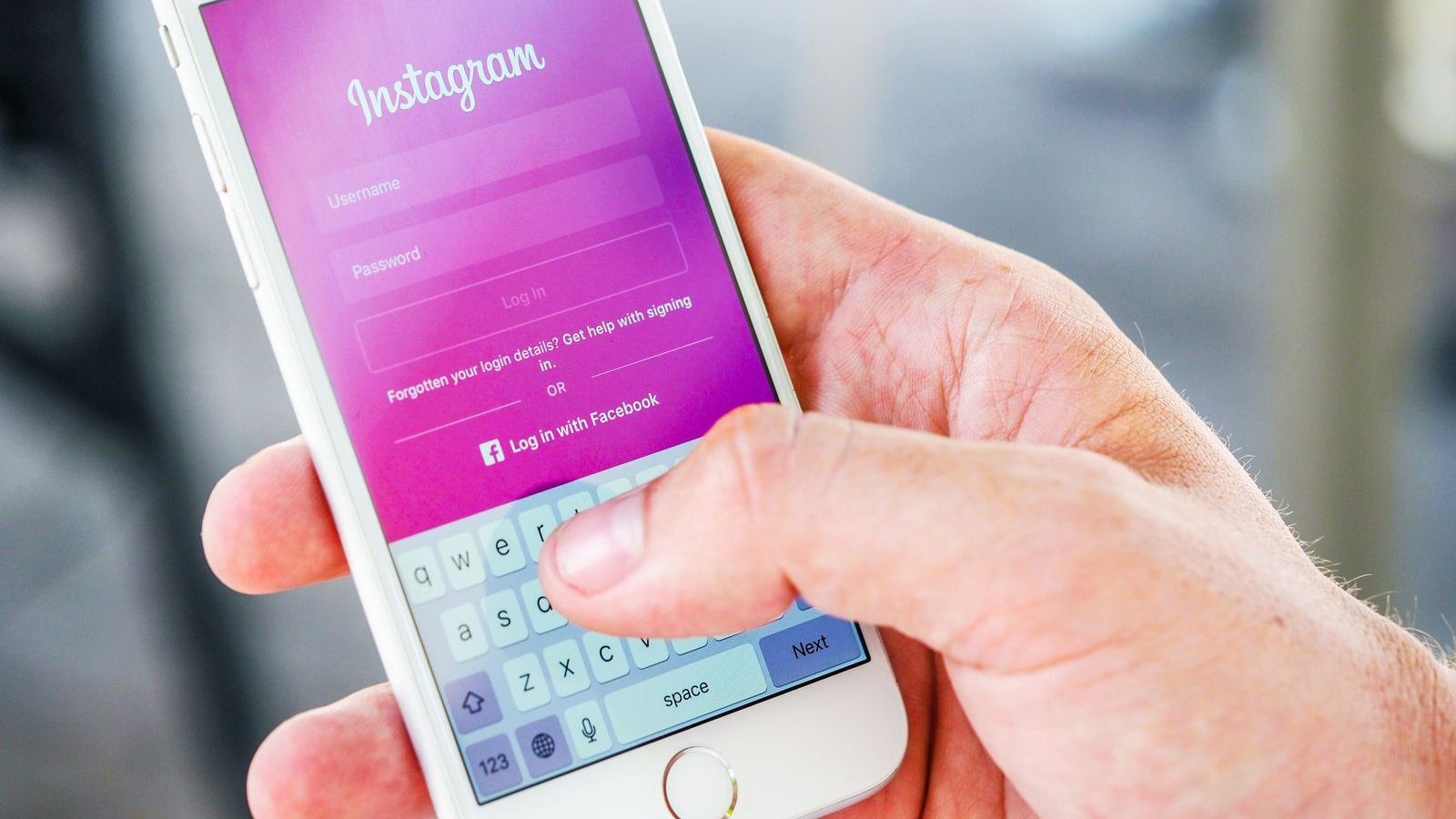
Instagram doesn't feel like an addictive product from the inside, it feels like keeping up with friends, following interesting people, occasionally posting something. The signs that it's crossed into habit territory are usually subtle, showing up in behavior rather than in how the app feels while you're using it.
Signs it's become more habit than choice
- You open it without deciding to. You look down and you're already scrolling, with no memory of consciously opening the app.
- You check it during genuine dead time. A single red light, a five-second pause in conversation, a moment of boredom, and it's already open.
- You feel a flicker of anxiety without it. Low battery, no signal, or a forgotten phone produces a disproportionate spike of unease.
- You've tried to cut back and it didn't stick. A deleted app that got reinstalled within a week is one of the clearest signals of a habit rather than a casual use pattern.
- Your actual screen time surprises you. Most people underestimate their Instagram usage by close to half when asked to guess before checking the real number.
- You compare your life to what you see there, then feel worse. This one is less about time spent and more about the emotional aftertaste, a subtle dissatisfaction that shows up after scrolling more often than during it.
Why Instagram specifically is hard to moderate
The feed has no natural end, the content is personalized to be maximally engaging for you specifically, and the format mixes genuine social connection with algorithmic content, which makes it feel essential in a way a pure entertainment app doesn't. That mix is exactly why "just use it less" rarely works as a plan on its own.
A cut-back plan that doesn't require quitting
- Turn off notifications entirely, not just for some accounts. Every notification is a designed re-entry point. Removing them stops the app from initiating contact with you.
- Move it off your home screen. A small amount of friction, an extra swipe or search, is enough to interrupt a fair number of purely reflexive opens.
- Block it during your worst windows. Most Instagram overuse concentrates in a couple of predictable times, right after waking, evenings, and any moment of boredom. Scheduled blocking during those specific windows removes most of the problem.
- Unfollow accounts that trigger comparison. This won't fix a habit on its own, but it changes what's waiting for you when you do check in, which matters over time.
- Keep DMs, drop the feed. If the core value for you is staying in touch with specific people, consider whether messaging alone would serve that need without the endless scroll attached to it.
What "cutting back" should actually look like
The goal isn't zero Instagram, for most people that's neither realistic nor necessary. The goal is Instagram becoming something you decide to open, at a time you decide, rather than something your thumb finds on its own every time your brain has a spare second.